Understanding the Basics of Outdoor Planters
Outdoor planters are integral elements in garden design, providing not only aesthetic appeal but also functionality. They allow for the decoration of various spaces—from patios and backyards to balconies—by accommodating a wide range of plants. When exploring options, https://idealistplanters.co.uk/ offers a variety of choices that cater to the unique needs of gardening enthusiasts. In this guide, we delve into the different types of planters available, the materials best suited for outdoor use, and key features that distinguish high-quality planters.
What Types of Planters are Available?
There is a diverse array of planters available, each designed to suit different styles, plants, and spaces. Common types include:
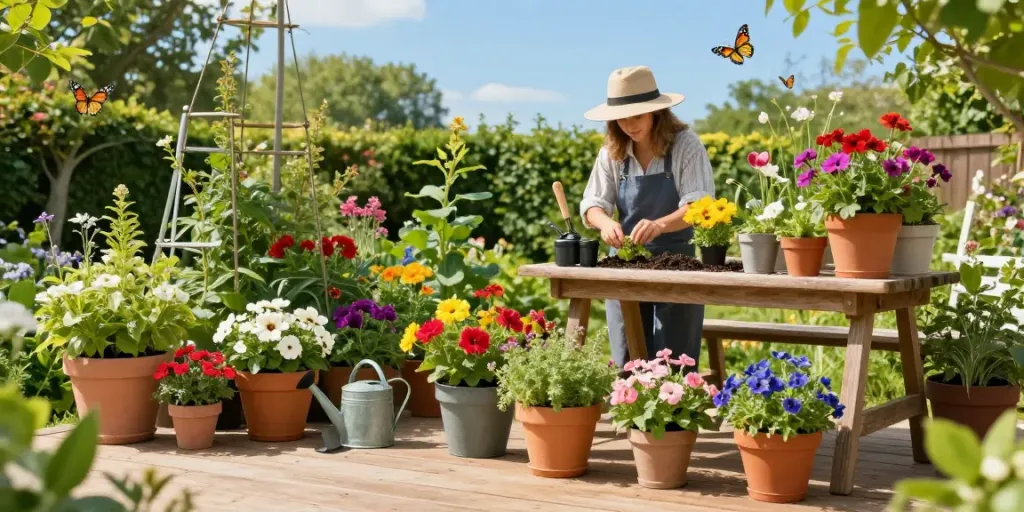
- Pots: These are versatile and come in various sizes and designs. They are ideal for individual plants and can be used for flowers, herbs, or even small trees.
- Rectangular Troughs: Perfect for creating a striking arrangement of multiple plants, these are great for creating lines or borders in a garden.
- Hanging Planters: These allow for vertical gardening, saving ground space and adding depth to your garden layout.
- Raised Beds: Ideal for larger gardening projects, they provide more soil volume and drainage, making them perfect for vegetables and herbs.
Choosing the Right Material for Your Planters
The material of your planters significantly impacts their durability, aesthetic, and the health of your plants. Here are some common materials:
- Wood: Offers a natural look and is great for rustic gardens. However, ensure the wood is treated for outdoor use to resist decay.
- Plastic: Lightweight and often cheaper, plastic planters come in various colors but may not be as durable as other materials.
- Ceramic: Known for their aesthetic appeal, ceramic pots can retain moisture well but can be heavy and breakable.
- Metal: Provides a modern look and is durable, but consider insulation to protect roots from overheating in direct sunlight.
Essential Features of Quality Planters
When selecting planters, some features contribute to their quality and functionality:
- Drainage Holes: Ensuring proper drainage helps prevent root rot, a common issue in container gardening.
- Water Reservoirs: Some planters come with built-in reservoirs that provide a constant supply of moisture to the plants.
- Insulation: Planters with insulating materials maintain a stable temperature for the roots, which can be crucial during extreme weather.
- Mobility: Planters on wheels or with lightweight designs allow for easy repositioning based on sunlight and aesthetic preferences.
How to Design Your Garden Space Effectively
Creating a stunning garden requires careful planning and consideration. Whether you have a sprawling backyard or a compact balcony, the layout and design can maximize the impact of your outdoor space.
Planning Layouts for Flower Bed Integration
Integrating flower beds into your garden layout enhances beauty and supports biodiversity. Consider using:
- Layering: Position taller plants at the back and shorter ones in the front to create a visual gradient.
- Color Schemes: Choose plants with complementary colors to create harmony; for vibrant gardens, consider contrasting colors.
- Pathways: Define spaces with walkways to provide structure and accessibility while promoting exploration.
Complementing Existing Landscape Features
Your outdoor space may include existing features like patios, trees, or fences. Planters can either stand out or blend in with these elements. For example:
- If you have a stone pathway, consider using stone or concrete planters to tie in with the existing materials.
- In a wooden patio, wooden planters can enhance a rustic feel while offering a cohesive look.
Maximizing Space in Small Gardens
Small gardens require innovative solutions. Here are tips to maximize your limited space:
- Vertical Gardening: Use wall-mounted planters or trellises to grow climbing plants, maximizing height instead of spreading out.
- Multi-Functional Planters: Opt for planters that double as seating or table space, efficiently using every inch.
- Succulents and Herbs: Choose compact plants that require less space yet offer beauty and utility.
Plant Selection for Optimal Growth
The success of your outdoor garden heavily relies on selecting the right plants for your planters. Each plant has specific requirements that must be met for optimal growth.
Best Plants for Container Gardening
Some plants thrive in containers better than others. Consider these options:
- Petunias: Colorful and versatile, they flourish in sunny spots and can cascade over the edges of planters.
- Herbs: Varieties like basil, parsley, and mint do well in pots and are practical for culinary uses.
- Succulents: These drought-resistant plants provide stunning visual interest and require minimal maintenance.
Understanding Sunlight and Water Needs
Every plant has unique sunlight and water requirements. Here are key considerations:
- Group plants with similar needs together to simplify care; for example, place shade-loving plants in one area.
- Consider using self-watering planters to ensure plants get consistent moisture without over-watering.
Seasonal Considerations for Planting
Understanding seasonal changes is crucial for planting strategies:
- Spring is ideal for planting annuals and perennials as they emerge from dormancy.
- In fall, consider planting bulbs for spring blooms and selecting plants that offer winter interest, such as evergreens.
Maintenance Tips for Thriving Planters
Regular maintenance is essential for keeping your outdoor planters healthy and visually appealing. Here are some vital practices to follow:
Watering Techniques for Container Plants
Proper watering is the backbone of plant health. Here are effective techniques:
- Check soil moisture regularly; use your finger to test the top two inches of soil.
- Water deeply to ensure roots receive adequate moisture, then allow the topsoil to dry out between watering.
Fertilization and Soil Health Suggestions
Healthy soil equates to healthy plants. Consider these tips:
- Use quality potting mix with added nutrients to promote robust growth.
- Fertilize sparingly, opting for slow-release options to prevent nutrient burn.
Common Pests and How to Manage Them
Detecting and managing pests early is crucial for maintaining plant health:
- Inspect your plants regularly for signs of pests and diseases.
- Utilize organic pest control methods, such as neem oil or homemade sprays, to minimize chemical exposure.
Emerging Trends in Garden Design for 2026
As we move forward, new trends in garden design can influence how we approach outdoor planting. Here are a few to watch for:
Eco-Friendly Gardening Practices
More gardeners are turning towards sustainable practices, emphasizing the use of native plants that require less water and support local ecosystems. Composting and reducing plastic use in gardening are also becoming more prevalent.
Smart Technology in Garden Maintenance
Smart gardening tools are revolutionizing how we maintain gardens. Automated watering systems, soil sensors, and weather-responsive irrigation systems enable gardeners to optimize water usage and better care for their plants.
Future Plant Varieties and Innovations
Genetic advancements are leading to new plant varieties that are more resilient to pests, diseases, and changing climate conditions. Expect to see hybrids that offer better growth patterns, colors, and adaptability in diverse environments.
Frequently Asked Questions
What are the benefits of using outdoor planters?
Outdoor planters offer flexibility in garden design, allow for easy relocation of plants, and provide better drainage and soil control compared to in-ground gardening.
How do I choose the right size planter for my plants?
Generally, a planter should accommodate the root system of the plant, allowing for adequate growth. Consider the plant's mature size and choose a planter accordingly, ensuring at least 6-12 inches of depth for most flowering plants.
What materials are best for outdoor planters?
Materials like rot-resistant wood, fiberglass, ceramic, and stone are ideal for durability against the elements, providing both aesthetic appeal and functional longevity.
How often should I water my container plants?
Watering frequency depends on various factors, including the plant type, pot material, and weather conditions. As a general rule, water when the top inch of soil is dry, typically every few days in warm months.
What are some contemporary planter design trends?
Contemporary trends focus on minimalistic designs, natural materials, and a move towards more sustainable options. Vertical gardens and mixed-use planters are also gaining popularity.